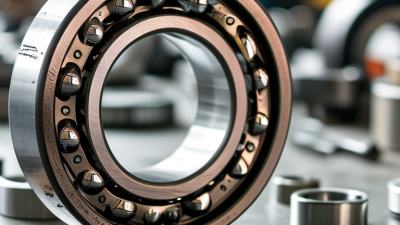
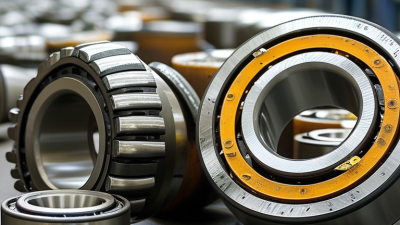
10 Best Steel Ball Bearings Suppliers for Global Buyers?
Global buyers need more than a long supplier directory when sourcing Steel Ball Bearings. A bearing may look flawless in a sample tray, yet fail under heat, vibration, or contamination. Supplier selection therefore requires evidence, not attractive catalog photographs.
Industry reports show why this market deserves careful attention. Fortune Business Insights valued the global bearings market at approximately USD 132 billion in 2023 and forecasts continued growth through 2032. Grand View Research also reports strong expansion, although its market boundaries and figures differ. These differences matter. Reports often combine ball, roller, automotive, industrial, and specialty bearings. Steel Ball Bearings represent only one segment.
Quality begins with measurable details. Buyers should check ISO 492 dimensional accuracy, material specifications, hardness records, cage design, sealing performance, and grease compatibility. A common 6204 bearing may require different internal clearance for a motor, conveyor, or high-temperature application. ABEC ratings can help, but they should not replace load, speed, noise, and life calculations.
This guide evaluates ten suppliers through practical purchasing criteria. These include manufacturing capability, export experience, inspection systems, certifications, customization, minimum order quantities, and after-sales support. Public certifications are useful, but certificates alone prove little. Traceable inspection reports and consistent batch performance are stronger evidence.
Some supplier information can change quickly. That is an uncomfortable limitation. Buyers should reconfirm factory addresses, production ownership, test equipment, and current certifications before signing contracts. A reliable supplier should answer technical questions clearly and provide verifiable documentation. The best choice is not always the cheapest quote. It is the partner that delivers stable performance inside a real machine, month after month.
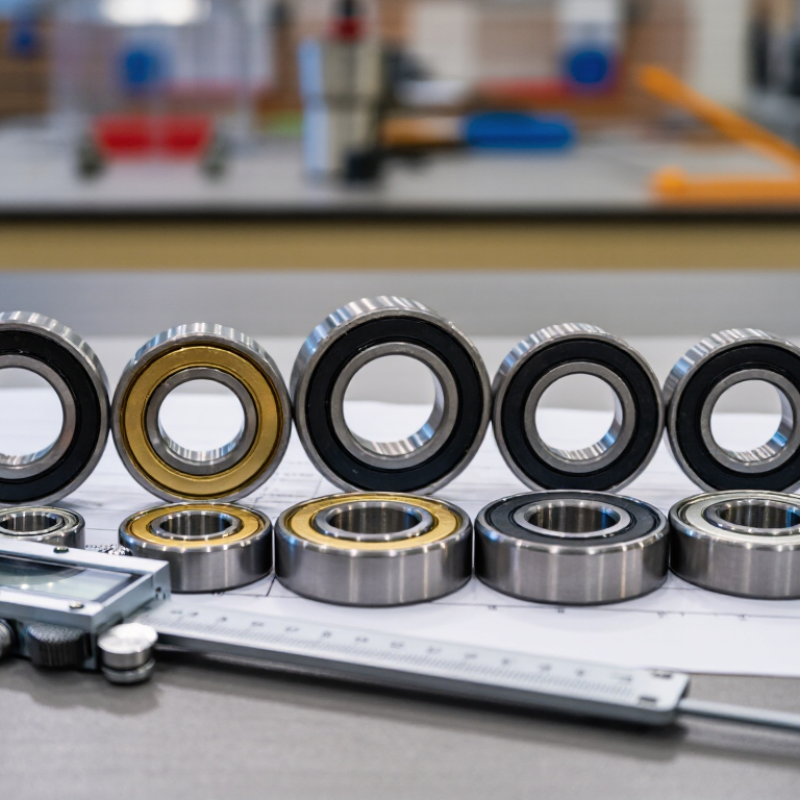
What Makes a Steel Ball Bearing Supplier Reliable for Global Buyers
A reliable steel ball bearing supplier proves performance before discussing price. Buyers should request material certificates, dimensional inspection records, and batch traceability. ISO 492 defines bearing tolerance classes, while ASTM A295 covers high-carbon bearing steel requirements. These standards create a measurable quality baseline.
Market data also shows why supplier discipline matters. Fortune Business Insights valued the global ball bearings market at approximately USD 17.55 billion in 2023. It forecasts continued growth through 2032. More demand can increase production pressure and quality risks. Experienced suppliers use controlled heat treatment, automated inspection, and documented test procedures. They should explain load ratings, noise limits, lubrication compatibility, and corrosion protection clearly. ISO 9001 certification helps assess process control, but it does not prove every bearing is perfect. That distinction is often missed.
Tips: Ask for a recent inspection report, not a generic certificate. Check whether serial numbers match shipping documents. Confirm packaging for humid sea routes and request realistic lead times. Compare failure data, not only unit prices. An honest supplier should admit process limits. I would also audit one sample batch before approving large orders. Even careful buyers can overlook packaging damage or incorrect clearance. Reliability is built through evidence, communication, and repeatable results.
What Makes a Steel Ball Bearing Supplier Reliable for Global Buyers?
Suggested buyer qualification weighting based on practical quality, compliance, and international supply-chain requirements
Reliable suppliers should provide full material traceability, consistent dimensional control, lot-based inspection records, a documented quality management system, accurate export documentation, and protective packaging suitable for international transportation. The percentages represent a transparent evaluation model rather than company rankings or market-share data.
How the Top Ten Steel Ball Bearing Suppliers Compare
Comparing the top ten steel ball bearing suppliers requires more than checking unit prices. Their differences appear in steel grades, dimensional tolerance, heat treatment, traceability, and delivery discipline. Grand View Research reported continued expansion in the global ball bearing market, supported by automotive, machinery, and industrial automation demand. This growth increases pressure on suppliers to provide stable quality, not only attractive quotations.
The strongest suppliers usually offer ISO 9001 systems, documented batch records, and testing against ISO 281 load ratings. Some leading exporters support custom sizes and sealed designs, while others focus on standard metric products and lower minimum order quantities.
Delivery performance also separates the group. A supplier with a slightly higher price may reduce production stoppages through shorter lead times and better inventory planning. However, published rankings rarely show complaint rates or real rejection data. That gap deserves attention.
Tips:
Request sample bearings, material certificates, noise-test records, and recent inspection reports before placing a large order. Compare total landed cost, not just factory pricing. Ask how each supplier handles mixed batches and urgent replacements. Industry reports from Mordor Intelligence indicate steady bearing-market growth through the decade, but forecasts are not guarantees. My practical view is simple: the “best” supplier changes with application, volume, and risk tolerance. A low-cost option may work for slow equipment, yet fail under high speed, contamination, or continuous loads. Suppliers should be scored using evidence, not impressive brochures.
Quality Standards, Certifications, and Manufacturing Capabilities
For global buyers comparing ten steel ball bearing suppliers, quality begins with documented material control, not attractive catalog photos. Request steel mill certificates, heat numbers, hardness records, and dimensional inspection reports for each batch. Common references include ISO 9001 for quality management and ISO 14001 for environmental controls. For specialized applications, confirm compliance with applicable aerospace, automotive, or food-contact requirements. Certifications should be current, independently verifiable, and matched to the exporting facility. Ask for evidence.
Manufacturing capability deserves equal attention. A capable supplier should explain cold heading, grinding, lapping, heat treatment, cleaning, and final inspection. Ask about size ranges, roundness, surface roughness, load ratings, and grade options such as G10 or G25. Production records should connect raw material to furnace, machine, operator, and inspection result. That traceability supports faster investigations when noise, vibration, or premature wear appears in service.
Do not rely on samples alone. A sample may look perfect while process stability remains uncertain. Request capability studies, control plans, calibration records, and recent nonconformance data. Some suppliers provide excellent reports but explain weak corrective actions. That deserves scrutiny. Before approval, compare sample consistency, packaging, corrosion protection, lead times, and communication during technical questions. A realistic supplier may admit a limitation and propose testing, rather than promise every specification. Buyers should still verify performance through independent testing and a controlled trial order.
Pricing, Minimum Orders, Shipping, and Buyer Support
Choosing among the 10 best steel ball bearing suppliers requires more than comparing unit prices. A low quote may exclude polishing, inspection, export packaging, or inland delivery. Ask for a detailed quotation covering steel grade, ball diameter, tolerance, surface finish, quantity, and payment terms. Pricing usually falls when volumes increase, but the cheapest offer is not always the safest choice.
Minimum orders vary by size, precision, and production method. Request a sample batch before placing a large order. Check whether samples match the stated hardness and dimensional tolerance. Shipping costs also depend on weight, carton strength, destination, and delivery terms. Confirm the estimated production time and request photos of sealed cartons. Small packaging details matter. Moisture protection can prevent costly surface damage during long transport.
Tips: Compare at least three written quotations. Ask suppliers to separate product, packing, freight, and customs-related charges. Confirm whether the minimum order applies per size or per shipment. Reliable buyer support should include responsive technical answers, inspection documents, replacement procedures, and clear updates when production changes. In practical sourcing, communication is often the weak point. A supplier may answer quickly before payment, then respond slowly afterward. Test support with detailed questions before ordering. Keep every specification in writing, even when discussions seem friendly.