Why Choose Standard Ball Bearings for Your Industrial Needs?
In the industrial landscape, the choice of components can significantly affect operational efficiency. Standard ball bearings play a crucial role in various machinery applications. According to a report by Markets and Markets, the global ball bearings market is projected to reach $90.3 billion by 2025, reflecting a robust demand across sectors.
Standard ball bearings offer reliability, reducing friction and wear in machinery. They contribute to smoother operation and extended equipment life. Manufacturers often cite the increased efficiency gains due to the use of quality bearings. On average, businesses can see a 15% improvement in energy consumption with optimal bearing selection.
Nonetheless, not all ball bearings perform equally. It's vital for industries to evaluate their specific needs carefully. Over-reliance on standard options without proper assessment can lead to increased downtime. Investing in the right standard ball bearing is essential for maintaining competitive advantage and operational effectiveness.
Understanding Standard Ball Bearings and Their Functionality
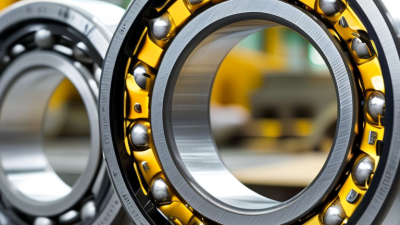
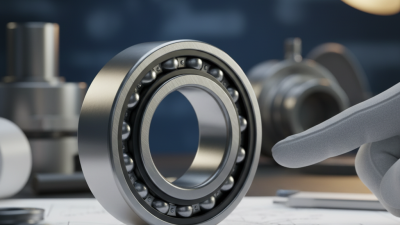
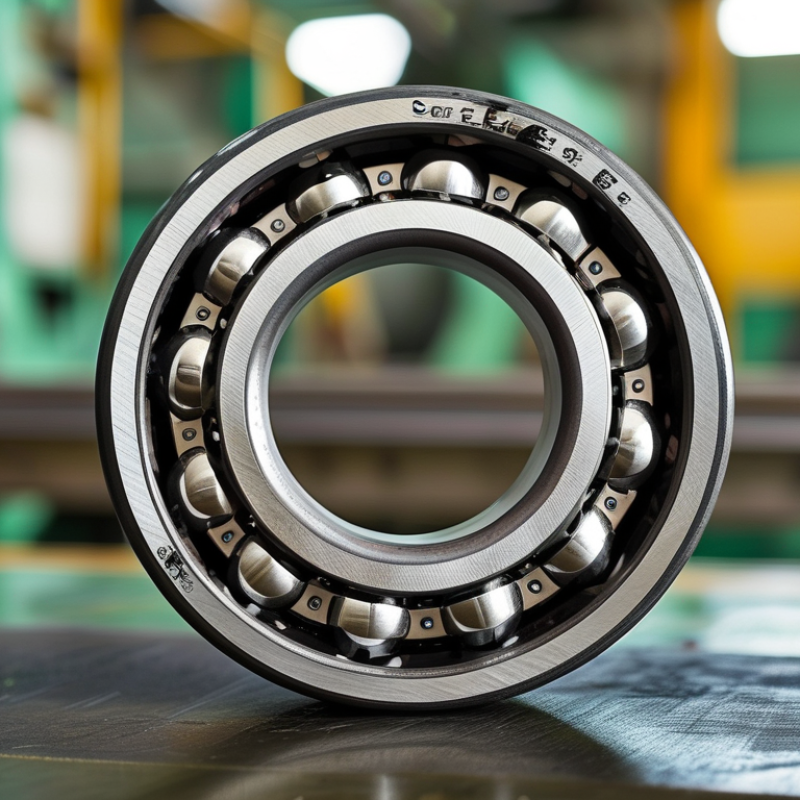
Standard ball bearings are essential components in various industrial applications. They facilitate smooth rotation and reduce friction between moving parts, which enhances overall efficiency. These bearings typically consist of inner and outer rings, rolling balls, and a cage to hold the balls in place. When correctly installed, they provide stability and enable machinery to operate effectively.
The functionality of standard ball bearings is rooted in their design. The balls are engineered to distribute load evenly across the surfaces, minimizing wear. However, improper selection or installation can lead to premature failure. It's crucial to consider factors like load capacity and speed rating when choosing bearings. Regular maintenance is also vital, as contaminants can hinder performance. Paying attention to these details ensures the longevity of machinery and reduces downtime.
A common misconception is that all ball bearings are the same. In reality, they vary significantly in specifications and applications. Understanding these differences can prevent costly mistakes. While standard ball bearings are reliable, their effectiveness largely depends on how well they are matched to the specific requirements of an application.
Why Choose Standard Ball Bearings for Your Industrial Needs?
| Bearing Type |
Material |
Load Capacity (lbs) |
Speed Rating (RPM) |
Temperature Range (°C) |
| Standard Ball Bearing |
Chromium Steel |
1400 |
5000 |
-20 to 120 |
| Miniature Ball Bearing |
Stainless Steel |
250 |
30000 |
-40 to 100 |
| Angular Contact Ball Bearing |
High Carbon Steel |
1200 |
18000 |
-15 to 90 |
| Self-Aligning Ball Bearing |
Low Carbon Steel |
800 |
12000 |
-20 to 80 |
Benefits of Using Standard Ball Bearings in Industrial Applications
Standard ball bearings offer numerous advantages for industrial applications. One key benefit is their ability to reduce friction between moving parts. This leads to increased efficiency in machinery, ultimately saving energy and costs. Their design allows for smooth, reliable performance in a variety of conditions. In environments where precision is paramount, these bearings excel due to their standardized dimensions.
Another notable aspect is their versatility. Standard ball bearings can be utilized across various industries, from manufacturing to packaging. They come in different sizes and materials, allowing for tailored solutions to meet unique needs. However, it’s essential to consider the specific requirements of each application. Not all standard ball bearings may perform optimally in every setting.
Maintenance is another critical point to reflect on. While standard ball bearings are generally low-maintenance, neglecting routine checks can lead to premature wear. Regular inspections can help identify issues early on. Each application has its own demands, and understanding these can enhance bearing lifespan. In conclusion, investing in standard ball bearings can lead to improved performance and reduced operational costs when used correctly.
Benefits of Using Standard Ball Bearings in Industrial Applications
Comparing Standard Ball Bearings with Alternative Bearing Options
When choosing the right bearings for industrial applications, standard ball bearings often emerge as the preferred choice. Their design allows for effective load distribution and lower friction. According to the National Lubricating Grease Institute, standard ball bearings can improve mechanical efficiency by up to 10%. This efficiency translates directly into reduced energy consumption, which is a vital consideration in today's eco-conscious manufacturing environment.
Comparing standard ball bearings with alternatives, such as roller bearings or composite bearings, reveals crucial differences. Roller bearings can handle heavier loads but may introduce complexity in installation and maintenance. Meanwhile, composite bearings often offer corrosion resistance but can be less effective in high-temperature settings. A report by the American Bearing Manufacturers Association highlighted that over 60% of machinery failures are linked to improper bearing selection or maintenance. This statistic underscores the importance of making informed decisions based on application-specific requirements.
Standard ball bearings are versatile and commonly used across various industries. Their ease of maintenance contributes to longer service life and lower operational disruptions. However, it’s essential to acknowledge that not every application will benefit from standard ball bearings. In critical environments, such as aerospace or medical industries, alternative bearing designs may be more appropriate. The need for careful evaluation cannot be overstated, as choosing the wrong bearing can lead to significant downtime and increased costs.
Key Factors to Consider When Selecting Standard Ball Bearings
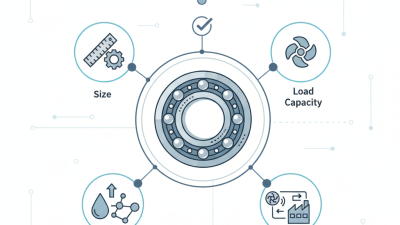
When selecting standard ball bearings for industrial applications, several key factors come into play. Material selection is crucial. High-quality steel or ceramic options can greatly influence performance. Steel bearings tend to offer durability and strength, but they may not resist corrosion as well. In contrast, ceramic bearings provide excellent resistance to heat and corrosion, but they often come at a higher cost.
Load capacity is another vital consideration. Each application will have different requirements regarding weight and stress. It is essential to choose bearings that can handle the expected load without compromising safety or efficiency. The right fit and compatibility with your machinery are also important. A poorly matched bearing can lead to inefficiency and premature failure, necessitating any adjustments or replacements.
Lubrication type should not be overlooked. Proper lubrication can prolong the life of a bearing. Various lubricants can serve an application, from grease to oil. However, each lubricant has its properties and limitations. The wrong choice could lead to overheating or inadequate protection against contaminants. Regular maintenance can help ensure that bearings operate effectively, but many organizations overlook this aspect, which can be detrimental in the long run.
Maintenance Practices for Enhancing the Longevity of Ball Bearings
Ball bearings are essential for smooth machinery operations in various industries. To enhance their longevity, effective maintenance practices are critical. Regular inspections can identify early signs of wear. According to a report from the International Journal of Advanced Manufacturing Technology, proper lubrication can extend bearing life by up to 50%. Yet, many facilities overlook this key factor.
Cleaning is another vital practice. Contaminants can lead to premature failure. A study from the American Society of Mechanical Engineers found that 70% of bearing failures are caused by contamination. Implementing a regular cleaning schedule can mitigate this issue. Methods such as ultrasonic cleaning can efficiently remove debris without damaging components.
Temperature control plays a significant role as well. Heat can degrade lubricant effectiveness. Research indicates that for every 10°C increase in temperature, lubricant life can decrease by half. Facilities must monitor temperatures closely to avoid overheating. Understanding these practices can ultimately lead to more reliable machinery and fewer costly downtimes.