Best Groove Ball Bearings for Optimal Performance in Your Applications?
In the world of mechanical engineering, "Groove Ball Bearings" are vital components. They enhance performance in various applications. According to Dr. Emily Carter, an expert in tribology, "The choice of bearings can significantly impact system efficiency." Her words resonate with manufacturers seeking to optimize their machinery.
Groove Ball Bearings offer a perfect blend of durability and efficiency. They can reduce friction, increasing the lifespan of equipment. However, many engineers overlook the importance of selecting the right type. Not all bearings are created equal. Their design variations can lead to performance discrepancies in applications, which is often a point of contention within the industry.
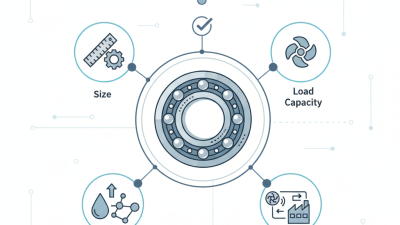
When choosing Groove Ball Bearings, one must consider load ratings, speed, and environmental factors. It can be tricky to navigate these choices. Some selections may seem ideal initially but may require reevaluation over time. Continuous improvement and attentive observation can lead to better decisions. Understanding these aspects is not just beneficial; it is crucial for optimal performance in any engineering application.
Understanding Groove Ball Bearings: Features and Benefits
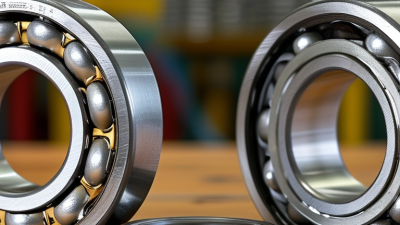
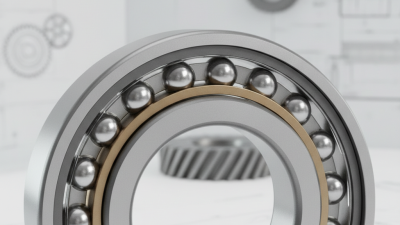
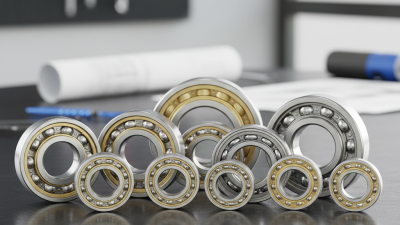
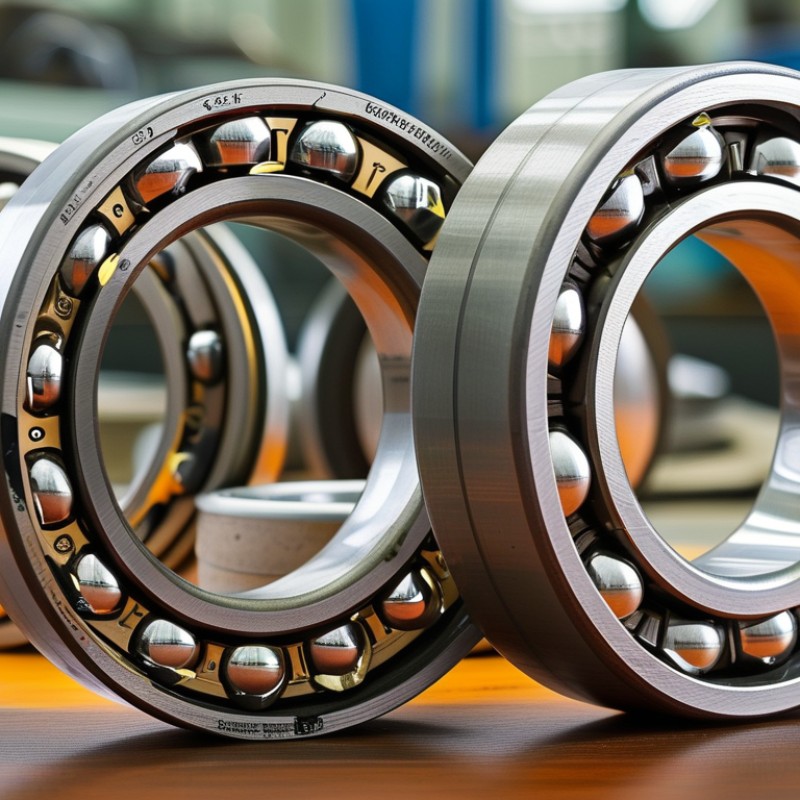
Groove ball bearings are essential components in many machinery applications. They feature a series of grooves on their outer raceway, accommodating high radial loads while maintaining smooth rotational motion. This design allows for excellent performance in various environments, from heavy industrial machines to precise laboratory instruments.
These bearings provide several benefits. Their structure reduces friction, leading to less wear over time. This durability can extend the service life of equipment. In addition, groove ball bearings can handle both axial and radial loads, making them versatile. However, it’s important to ensure proper lubrication and installation to avoid common issues like misalignment or reduced efficiency.
While groove ball bearings excel in many situations, they are not flawless. Environmental factors, such as dust or moisture, can negatively impact their performance. Regular maintenance is necessary for optimal functionality. A failure to address these factors may lead to unexpected downtime. Assessing your specific application needs can guide better choices in bearing types and maintenance schedules.
Key Factors for Selecting the Right Groove Ball Bearings
When selecting groove ball bearings, consider several key factors. The material of the bearing is crucial. Steel, ceramic, and composite materials each have unique properties. Steel offers good strength and durability, while ceramic can reduce friction effectively. However, ceramics may lack the toughness needed for heavy loads.
Another important aspect is the load rating. Understand the operational environment. Identify the types of loads your application will encounter. For instance, dynamic loads vary significantly from static ones. Choosing bearings with an appropriate load rating helps prevent premature failure.
Additionally, pay attention to the size and shape of the bearings. The internal and external diameters must match application requirements. This ensures proper fit and reduces wear. Proper lubrication plays a vital role too. The right lubricant can influence performance greatly. However, over-lubricating may lead to increased temperature. These considerations can impact the effectiveness of groove ball bearings in specific applications.
Best Groove Ball Bearings Performance Analysis
Top Brands and Models of Groove Ball Bearings on the Market
When selecting groove ball bearings, understanding the top brands and models on the market is crucial. Industry reports indicate that high-quality bearings enhance performance across various applications. For instance, bearings with improved material tolerance can yield a lifetime increase of 30%. This is valuable for machinery requiring reliability under heavy loads.
Popular models often incorporate advanced features. Some offer improved sealing to prevent dirt ingress. Such designs significantly mitigate failure rates in harsh environments. Data shows that using these optimized bearings can lower operational costs by up to 15%. It's crucial to assess the compatibility of each model with specific demands.
A few considerations can guide your selection process. Analyze your application's speed and load requirements carefully. Sometimes, less recognized brands deliver comparable quality at a lower price point. Always check user reviews for real-world feedback. This reflective practice can lead to better choices for your needs. Balancing cost with performance remains a challenge, making informed decisions essential in selecting groove ball bearings.
Applications of Groove Ball Bearings in Various Industries
Groove ball bearings play a crucial role in various industries. Their unique design allows them to handle radial and axial loads effectively. In manufacturing, these bearings are often found in machines that require precision movement. They ensure smooth operations, reducing friction and improving efficiency.
In the automotive sector, groove ball bearings support essential components like wheels and engines. Proper alignment is key for optimal performance. However, misalignment can lead to premature wear and costly repairs. Maintenance should be prioritized to avoid these issues. Regular checks can prolong the lifespan and functionality of these bearings.
In the aerospace industry, the reliability of groove ball bearings is paramount. They support critical systems where failure is not an option. However, the harsh conditions can challenge their durability. Engineers must make careful design choices to enhance their performance under stress. Continuous improvement and testing are essential to meet industry standards.
Best Groove Ball Bearings for Optimal Performance in Your Applications
| Industry |
Bearing Size (mm) |
Load Rating (Static) (N) |
Speed Rating (RPM) |
Application |
| Automotive |
6202 |
7500 |
20000 |
Wheel Bearings |
| Aerospace |
6310 |
12000 |
15000 |
Engine Components |
| Manufacturing |
6204 |
8500 |
18000 |
Conveyor Systems |
| Food Processing |
6005 |
10000 |
16000 |
Mixers |
| Electronics |
6803 |
6000 |
22000 |
Hard Drives |
Maintenance Tips for Optimal Performance of Groove Ball Bearings
Groove ball bearings play a crucial role in various applications, from automotive to industrial machinery. Their performance heavily relies on consistent maintenance. According to a recent industry report, proper lubrication can increase the lifespan of these bearings by up to 50%. This shows the importance of regular checks and timely interventions.
Dust and debris can harm the bearings' function. Maintaining a clean environment drastically reduces wear and tear. Simple cleaning processes can make a noticeable difference. Inspect seals regularly, and replace them when damaged. This step prevents contaminants from entering. Over time, neglecting these aspects can lead to costly failures.
When lubricating, choose the right type of grease. Not all lubricants suit every environment. Temperature and load conditions should guide your selection. A good practice is to adhere to manufacturer recommendations, but also consider specific operational conditions. Regularly monitor and document the bearing conditions. This data can help identify potential issues early. Timely maintenance ensures your groove ball bearings operate at optimal performance.