Top 10 Benefits of Double Taper Roller Bearings for Your Applications?
In the world of mechanical engineering, the importance of reliable components cannot be overstated. Double Taper Roller Bearings have emerged as a key element in various applications, delivering enhanced performance and durability. According to Dr. Emily Chen, a renowned expert in bearing technology, "The efficiency of machinery often hinges on the choice of its bearings." This insight underscores the critical role of the Double Taper Roller Bearing.
These bearings excel in absorbing axial and radial loads, which significantly enhances their usability in heavy machinery and automotive sectors. Their tapered design allows for better alignment and load distribution, leading to improved operational efficiency. However, there is often a misconception that all bearings perform equally under strain. This notion can lead to premature failure or inefficiency if not carefully considered.
Despite their advantages, not all applications may benefit equally from Double Taper Roller Bearings. Selection must be based on specific operational requirements and environmental conditions. Recognizing these subtleties is essential for engineers and technicians alike. By embracing a detailed understanding of these bearings, the potential for optimized performance increases dramatically.
Advantages of Double Taper Roller Bearings in Load Distribution
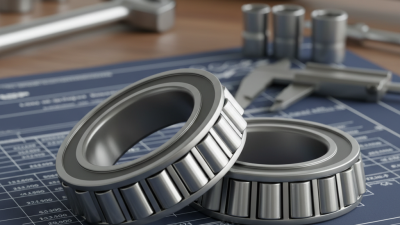
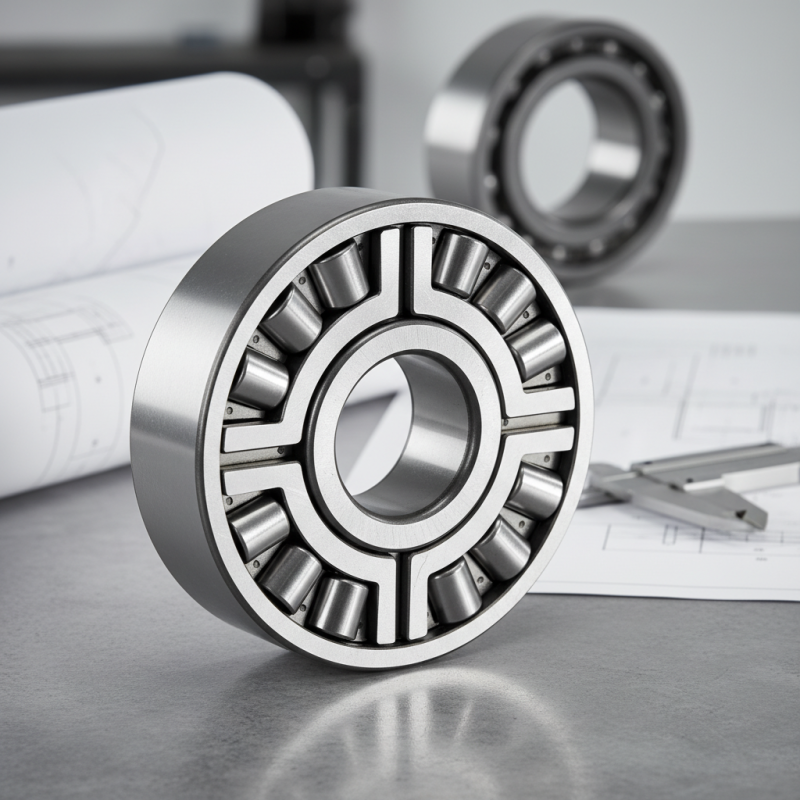
Double taper roller bearings are essential in load distribution across various applications. They can efficiently handle both axial and radial loads, which makes them unique. The tapered design allows for optimal alignment and more uniform load sharing. This leads to less stress and improved performance in machinery.
According to industry reports, taper roller bearings can carry heavier loads than standard bearings. They reduce friction and wear, resulting in lower operational costs. In some cases, these bearings can extend service life by up to 50%. This is particularly important in sectors like automotive and industrial machinery where reliability is critical.
However, while their benefits are evident, it’s essential to assess suitability for specific applications. Incorrect installation or misalignment can lead to failures. Understanding the load characteristics and application requirements is crucial. Investing in proper maintenance practices also enhances their performance and longevity. Balancing these factors is vital for optimal application success.
Top 10 Benefits of Double Taper Roller Bearings
Enhanced Durability and Longevity of Double Taper Roller Bearings
Double taper roller bearings are increasingly recognized for their enhanced durability and longevity, making them a superior choice in various applications. Research shows that these bearings can outperform traditional versions by an impressive margin. For instance, a study by the American Bearing Manufacturers Association indicates that double taper roller bearings can increase operational life by 30% in high-load environments. This exceptional longevity translates to fewer replacements and reduced maintenance efforts, ultimately saving costs.
Moreover, double taper roller bearings distribute loads evenly across their surface. This design minimizes stress concentrations, leading to decreased wear over time. A technical report from the International Journal of Machine Tools and Manufacture noted that bearings designed with double taper geometry exhibited significantly lower friction than their single-taper counterparts. This friction reduction results in improved efficiency and less heat generation, prolonging the lifespan of both the bearings and the machinery in which they are used.
While the benefits are clear, it is important to consider that not all applications may require such robust features. Some systems may not experience the high loads that warrant double taper designs. In these cases, using simpler bearings could be more economical. Evaluating the specific needs of each application is essential to avoid unnecessary overspending on advanced bearing types.
Improved Efficiency in Rotational Motion with Double Taper Roller Bearings
Double taper roller bearings are revolutionizing machinery efficiency in various industries. Their unique design allows for high load carrying capabilities while ensuring optimal rotational motion. This translates to reduced energy consumption and less wear on components. Studies indicate that equipment utilizing these bearings can see up to a 30% increase in operational efficiency.
Users have reported that incorporating double taper roller bearings reduces friction significantly. This improvement not only enhances performance but also extends the service life of machinery. In fact, according to a report by the American Bearing Manufacturers Association, machines equipped with double taper roller bearings can experience an impressive reduction in maintenance costs, often up to 20%.
When considering double taper roller bearings, it’s crucial to select the right specifications for your needs. Pay attention to load ratings and operational speeds to maximize benefits. Regular maintenance is also essential; it can help identify potential issues early on. Don't overlook the importance of proper alignment; misalignment can lead to premature failure. Always keep in mind that quality matters; investing in reliable bearings can yield long-term benefits.
Reduced Maintenance Costs Associated with Double Taper Roller Bearings
Double taper roller bearings offer a range of advantages, particularly in reducing maintenance costs. Their design allows for better load distribution, leading to less wear and tear. This durability means fewer breakdowns, which minimizes the need for frequent repairs. As a result, businesses can save significantly on maintenance expenses over time.
An essential tip is to regularly inspect these bearings. Look for any signs of misalignment or unusual noises. Early detection can prevent costly repairs later. Implementing a proactive maintenance schedule can further enhance the lifespan of the bearings. Training staff on these inspections can create a more reliable operation.
Another point to consider is the environment in which these bearings operate. Factors like temperature, dust, and moisture can affect performance. Using appropriate sealing and lubrication can enhance their reliability. This attention to detail pays off in the long run, leading to sustained savings and fewer disruptions in production.
Top 10 Benefits of Double Taper Roller Bearings for Your Applications
| Benefit |
Description |
Cost Reduction (%) |
| Reduced Maintenance Frequency |
Longer service life leads to fewer scheduled maintenance interventions. |
30% |
| Lower Replacement Costs |
Durability reduces the need for frequent bearing replacements. |
25% |
| Increased Efficiency |
Enhanced performance leads to improved machinery efficiency. |
20% |
| Less Downtime |
Fewer failures result in minimized production downtime. |
40% |
| Improved Load Handling |
Optimized design enhances load-carrying capacity. |
15% |
| Enhanced Stability |
Improved structural integrity aids in stable operation. |
22% |
| Lower Noise Levels |
Reduced vibrations contribute to quieter machinery. |
10% |
| Temperature Control |
Better thermal management leads to enhanced performance. |
18% |
| Versatility |
Suitable for various applications enhances usability. |
12% |
| Higher Performance in Harsh Conditions |
Designed to withstand extreme environments improves reliability. |
35% |
Versatility of Double Taper Roller Bearings Across Different Applications
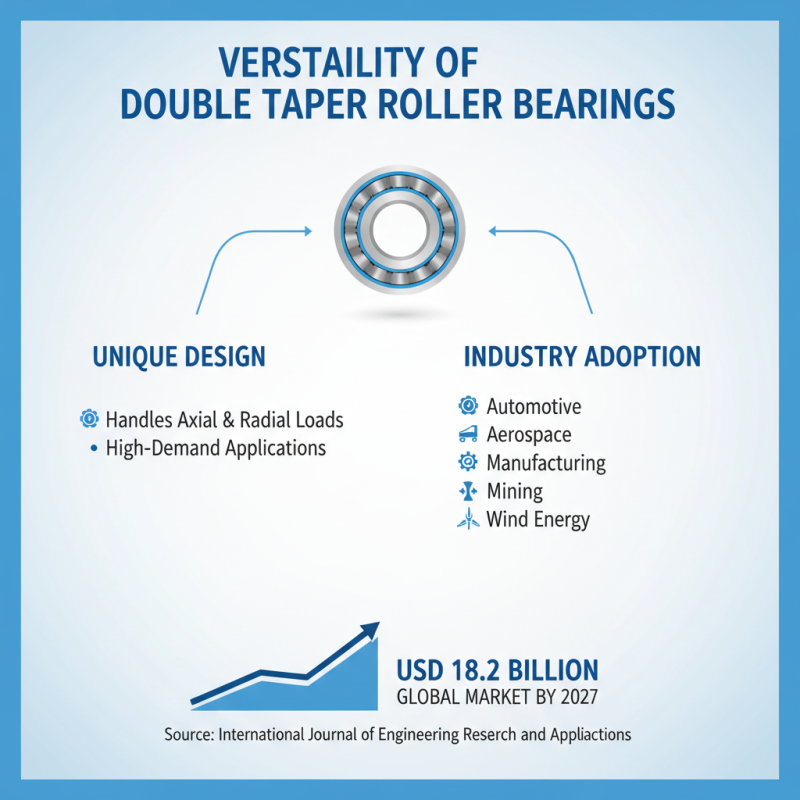
Double taper roller bearings have gained popularity across various industries due to their unique design and versatility. These bearings can handle both axial and radial loads, making them suitable for high-demand applications. According to a recent industry report by the International Journal of Engineering Research and Applications, the global market for roller bearings is expected to grow significantly, reaching USD 18.2 billion by 2027. This growth demonstrates the industry's reliance on robust and adaptable solutions.
The adaptability of double taper roller bearings is evident in sectors such as automotive, aerospace, and construction. In automotive applications, for example, these bearings help improve the efficiency and longevity of vehicles, contributing to better fuel economy. A study from the American Society of Mechanical Engineers highlights that implementing such bearings can reduce friction losses by up to 15%. However, this doesn't mean all applications are ideal. Some setups might experience misalignment, impacting the performance of the bearings.
In manufacturing and heavy machinery, double taper roller bearings provide essential support. Their ability to accommodate shaft deflection and misalignment is critical for heavy-load operations. While they excel in many applications, there are situations where they may not perform optimally, such as extreme temperature fluctuations. Addressing these limitations is essential for engineers and designers to maximize the bearings' potential. The continuous improvement and adaptation in design will undoubtedly enhance their usability across diverse applications.